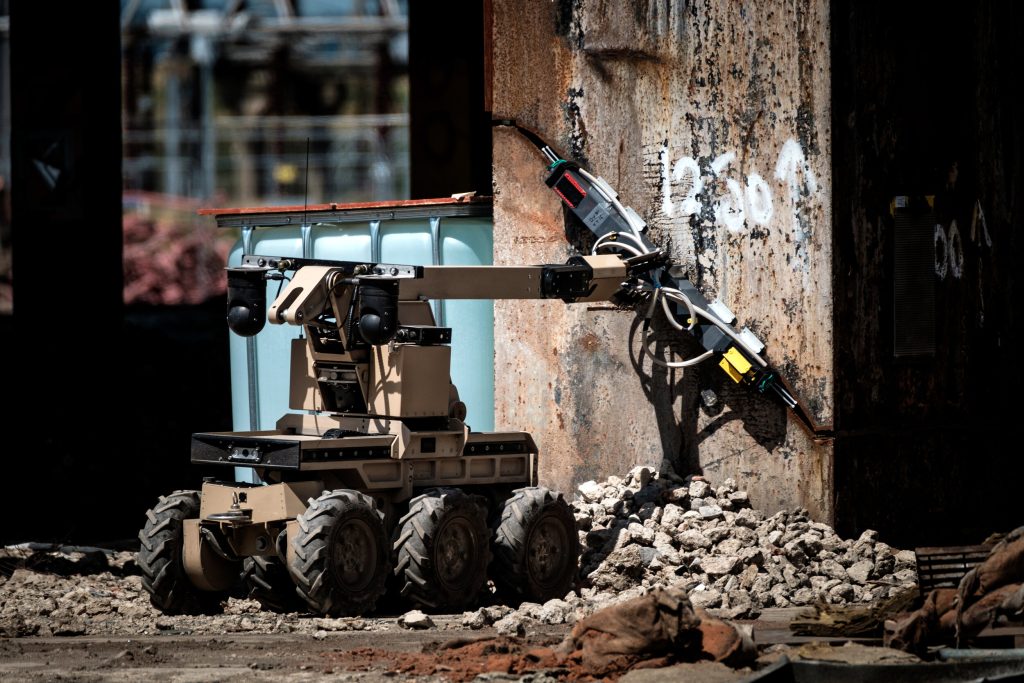

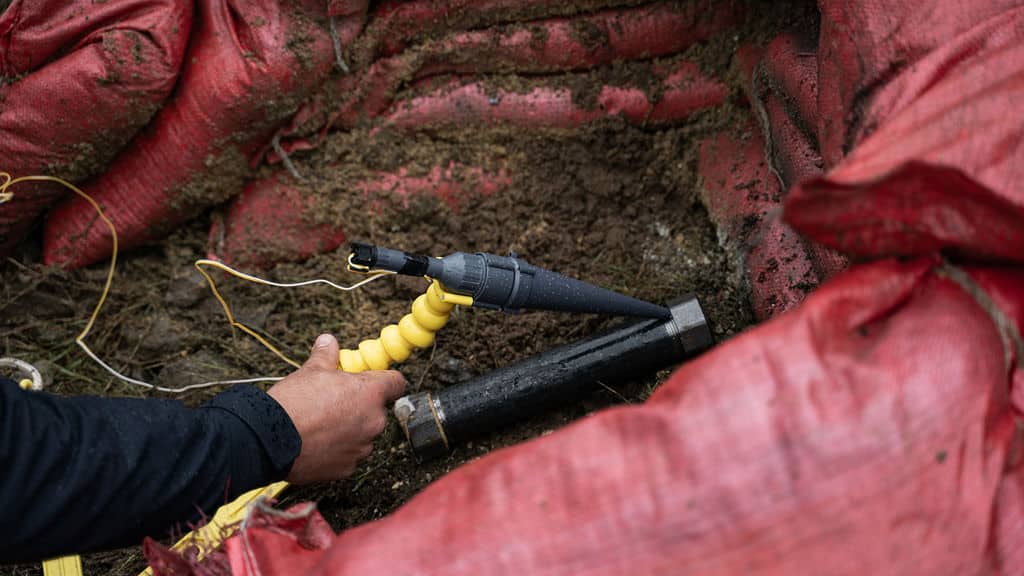
Explosive Ordnance Disposal (EOD) and Improvised Explosive Device Disposal (IEDD) training develops the knowledge, skills and judgement operators need to locate, identify, render safe and dispose of explosive threats. Alford Training delivers this training to defence, security and law enforcement organisations across NATO and partner nations, from foundation courses through to advanced and high-threat operator standards.
Every programme is shaped by a Training Needs Analysis (TNA), so course content, duration and entry standards reflect your unit’s existing competencies, the explosive ordnance (EO) threats in your region of operation, and the capability outcomes you need.
Courses follow UK and NATO Standard Operating Procedures and recognised international standards, and are delivered by instructors with extensive operational EOD and IEDD experience.
EOD Training
Our EOD courses prepare operators to deal with conventional munitions and unexploded ordnance (UXO) safely and effectively. Training follows recognised international EOD standards and is tailored to the specific EO threats you face, whether legacy UXO, abandoned ordnance or contemporary battlefield hazards.
Programmes combine essential theory with instructor-led practical exercises on live-fire ranges, covering threat identification, risk assessment, disposal planning and the application of proven EOD techniques, including low-order deflagration methods pioneered by Alford Technologies. Operators leave with the confidence to make sound render-safe decisions under pressure.
IEDD Training
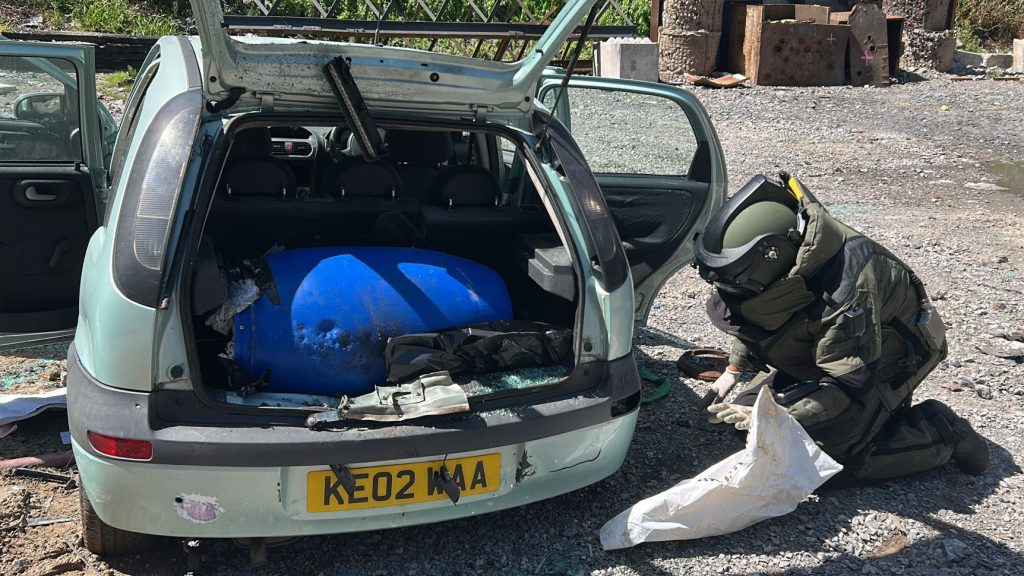
IEDD training equips operators to defeat improvised explosive devices (IEDs), from basic operator level through to advanced standards based on NATO SOPs. Courses address the full render-safe cycle: threat assessment, questioning, planning, weapon and equipment selection, and post-action exploitation awareness.
Our instructors include former high-threat operators with recent operational experience, and courses are regularly updated to reflect new and emerging threats. We also deliver upskilling packages for experienced operators whose units face evolving device types or changing threat environments.
Maritime EOD Training
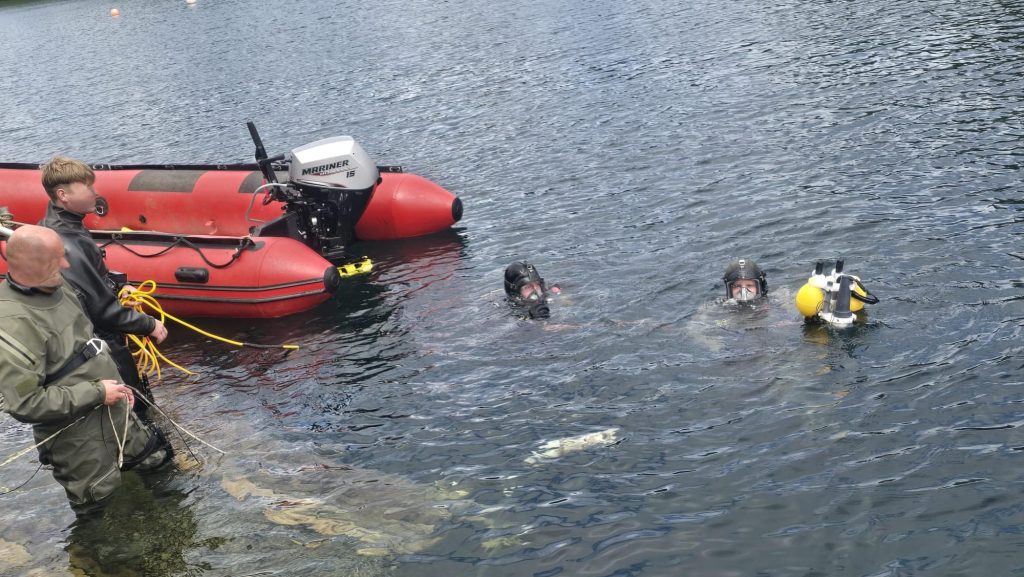
Maritime EOD training focuses on identifying, assessing and neutralising explosive ordnance in marine environments, from littoral waters to open sea. Courses closely follow NATO SOPs and international requirements, preparing dive teams and maritime EOD operators for the specific underwater EO threats in their region.
Programmes replicate real-world scenarios, including underwater search, mine identification and disposal techniques suited to sensitive marine environments where noise and environmental impact must be controlled.
Humanitarian Mine Action IEDD Training
Our Humanitarian Mine Action (HMA) IEDD programmes follow the International Mine Action Standards (IMAS) and current best practice guidance. Courses prepare deminers, team leaders and technical advisors to operate safely in post-conflict environments contaminated by explosive remnants of war (ERW), mines and IEDs.
Training is led by our HMA team lead, an IMAS Level 3 EOD operator with five years of humanitarian operations experience in Africa.
How Our Training is Delivered
TNA-led design
Every course begins with close engagement to understand your operational context, followed by a comprehensive Training Needs Analysis. Course duration, cohort size and entry standards are then tailored to your requirements rather than fixed to a standard template.
Practical first
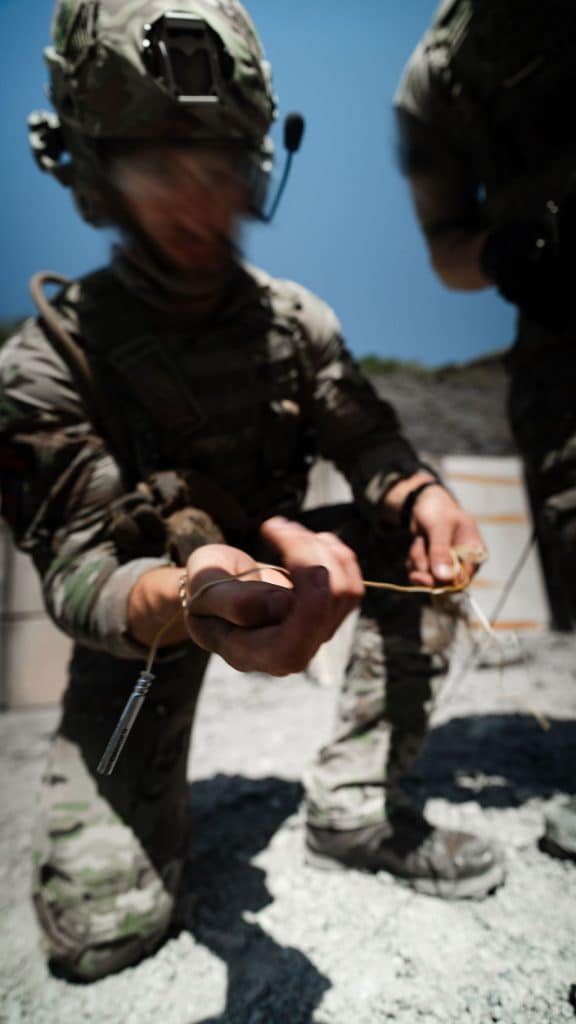
Classroom instruction is minimised in favour of realistic, instructor-led practical exercises. Students train as they intend to fight, in demanding scenarios that replicate real-world conditions and decision-making pressures.
Honest assessment
Training is delivered outside the students’ normal chain of command, creating an environment where weaknesses and training deficiencies can be identified and addressed before they become operational risks.
Where we train
Courses are primarily delivered at our live-fire explosive training facilities, Broadmead Range and Emborough Range. We can also deploy training teams overseas to your location.
Your Instructors
Alford Training instructors combine decades of operational EOD, IEDD and high-threat experience across Northern Ireland, Iraq, Afghanistan, Ukraine and humanitarian operations worldwide.
What Our Customers Say
Frequently Asked Questions
What is the difference between EOD and IEDD training?
EOD training covers the disposal of conventional munitions and unexploded ordnance, while IEDD training focuses specifically on defeating improvised explosive devices. The two disciplines share core principles but require different threat assessment approaches, techniques and equipment. Alford Training delivers both, from foundation to advanced operator level.
Who are these courses for?
Our EOD and IEDD courses are designed for military, security, law enforcement and humanitarian mine action personnel across NATO and partner nations. Entry standards are agreed through the TNA process, and we train everyone from new operators to experienced high-threat specialists requiring upskilling.
How long are the courses?
Course duration is determined by your Training Needs Analysis rather than a fixed template. Once we understand your operational requirements, existing competencies and capability gaps, we recommend a programme length that delivers measurable capability enhancement.
What standards does the training align with?
All courses align with UK and NATO Standard Operating Procedures. Our Humanitarian Mine Action IEDD programmes follow the International Mine Action Standards (IMAS).
Where is the training delivered?
Primarily at our UK live-fire training facilities, Broadmead Range and Emborough Range. We can also deploy instructors overseas to deliver training at your location or in your region of operation.