
Home >
Project REDS | Maritime Clearance Capability
The Remote EOD Deployment System. Precision underwater charge delivery for the ROVs you already operate
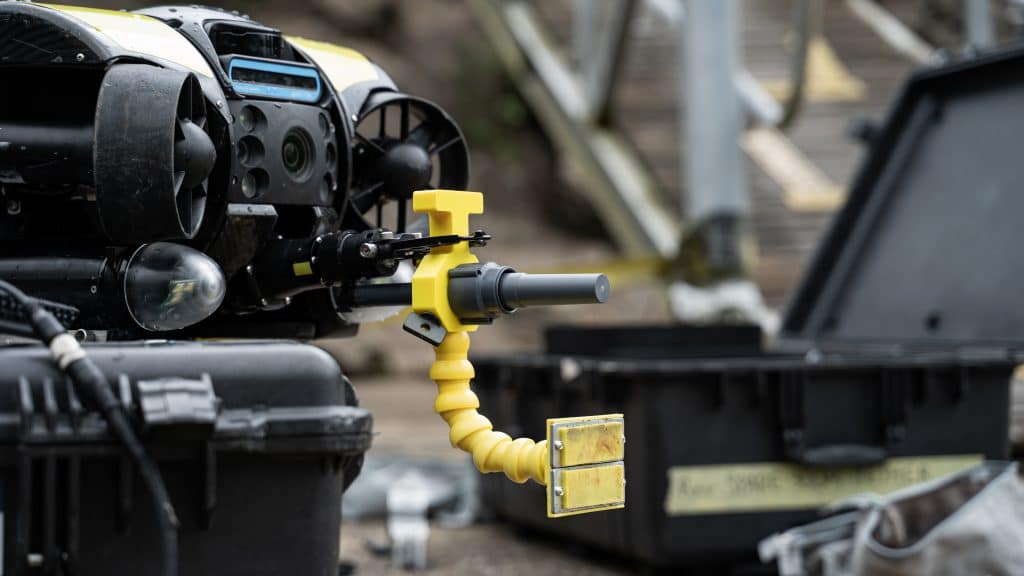
Project REDS equips remotely operated vehicles (ROV) with the tools to deploy, position and fire explosive charges against surface and subsea threats.
It is platform-agnostic by design: the same modular components integrate with the size and performance of whichever ROV your unit or business flies. Because REDS flies on your ROV, it inherits your platform’s sensors, navigation and autonomy, including sonar performance in low-visibility water.
Proven in Service
Project REDS builds on delivery hardware already fielded worldwide. Its articulated arms are developed from the VCLMS™ (Vulcan Counter Limpet Mine System), in service with navies globally, and its compatible charge systems carry NATO Stock Numbers and are used daily by defence and commercial EOD teams.
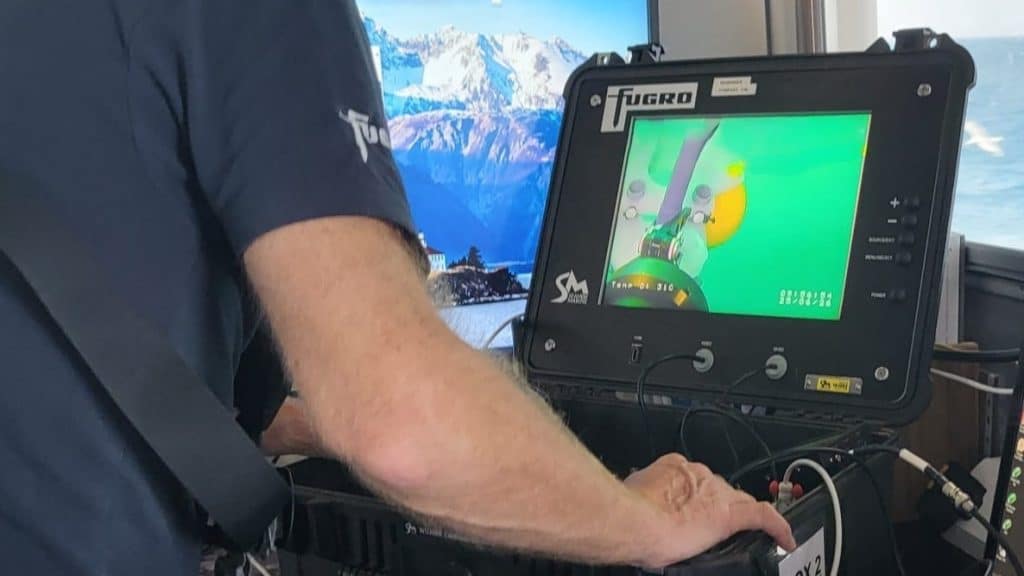
In June 2026, REDS completed its first open-water ROV deployments in Plymouth Sound, integrated with a Seamor Chinook flown by Fugro Academy pilots. Both deployments succeeded at the first attempt.
The Buoyant Mine Attachment has been trialled by NATO navy clearance divers against moored mine targets.
A Comprehensive Maritime Capability
Project REDS is a suite of high-accuracy and high-precision modular tools engineered for maritime applications in the commercial and defence domains.
These tools allow operators to manually and remotely deploy, position, and detonate explosive charges in naval mine counter measures (MCM), EOD, and demolition operations, while maintaining the charge’s position throughout the task.
At the core of REDS is a rugged, articulated appendage that can function independently or be assembled with multiple appendages into countless configurations. This component integrates seamlessly with the deploying ROV, and its lightweight, non-magnetic (positioning magnets are available for non-influenced targets), and modular design ensures easy assembly and maximum operational flexibility.
Select Your Effect
Most remote neutralisation systems offer one outcome: high-order detonation. Project REDS tools enable the operator to choose the effect the task requires.
Low order
Vulcan™ achieves low-order results in more than 90% of EOD tasks, reducing environmental impact and blast damage near infrastructure, wrecks and protected habitats.
Variable output
Pluton™ is user-filled with a variable NEQ of 50g to 300g, effective in both high- and low-order operations. Scale the charge to the target, not the other way round.
Cutting
Rebar Cutter™ severs steel bars, cables and mooring lines with precision.
Selective disruption and case flooding configurations support exploitation tasks where the target must survive the render-safe procedure.
All charges are user-filled, carry NATO Stock Numbers (NSN), and are available for immediate dispatch.
Project REDS Components
REDS II
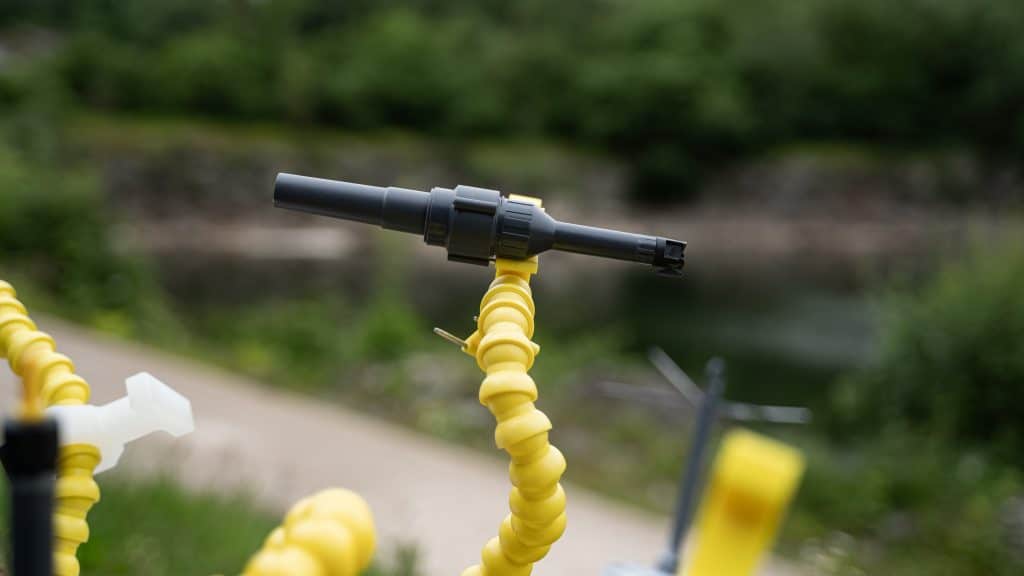
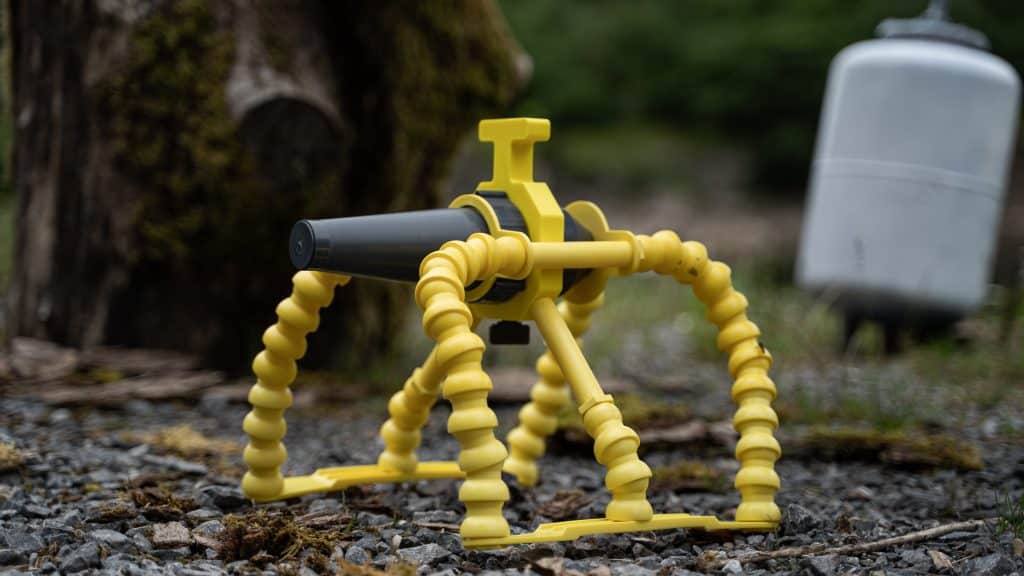
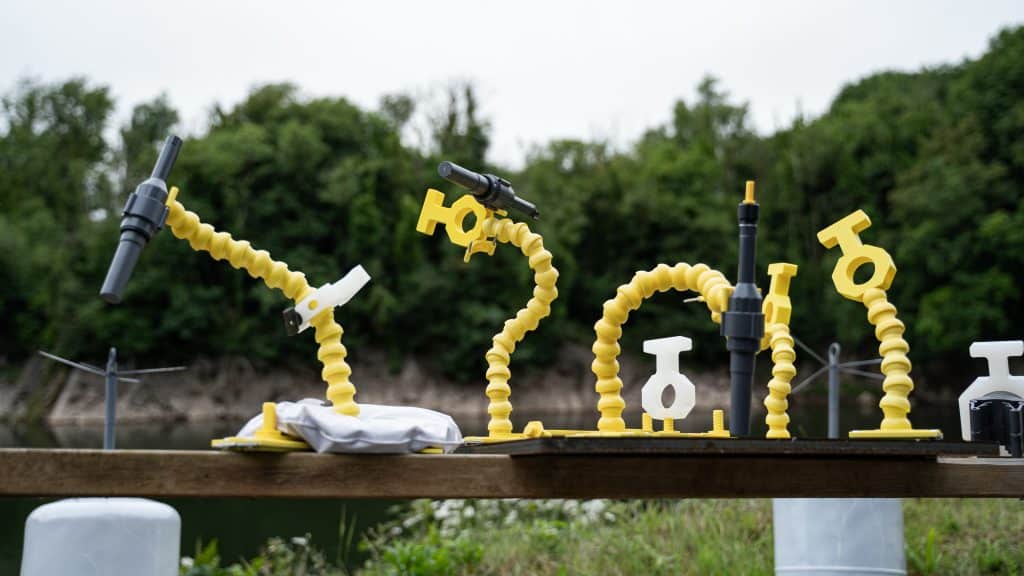
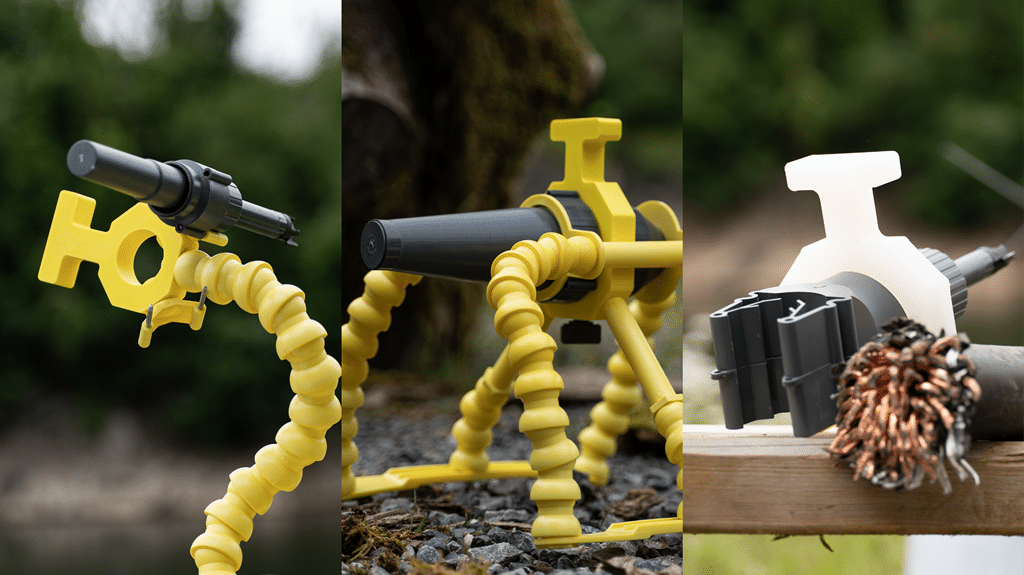
The articulated arms at the core of the REDS architecture are based on the poseable stands proven in the globally deployed VCLMS™ (Vulcan Counter Limpet Mine System).
These multi-segment attachments work independently or combine into configurations matched to the operational conditions and the target. An ROV handle functions as a collar for the charge and a fulcrum for different REDS II formations, supported by high-strength magnet pads, stands and charge cradles.
The system is lightweight, modular and non-magnetic, with positioning magnets available for non-influenced targets. Charges can be deployed individually or in multi-charge arrays against larger or compound targets.
Buoyant Mine Attachment (BMA)
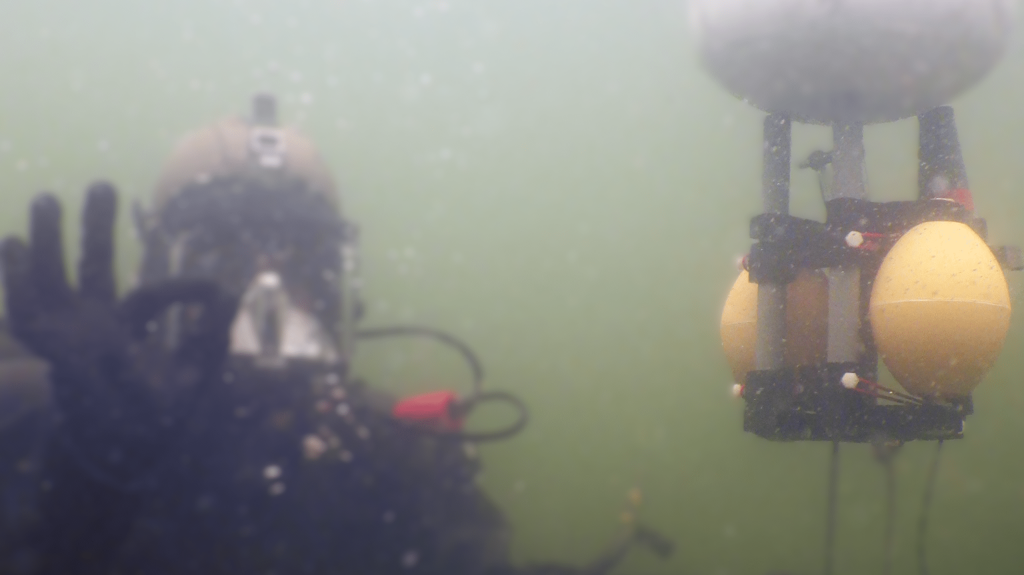
Buoyant and moored mines sit beneath the surface, tethered to the seabed and primed to detonate on contact with passing shipping. They are among the most common naval mine threats, and among the most awkward to attack: the charge must be placed against a moving target, underwater, from below.
The Buoyant Mine Attachment (BMA)™ solves the placement problem.
Loaded with a Vulcan™ or Pluton™ shaped charge and deployed by diver or by ROV, the BMA clamps to the mine’s mooring cable and floats up into position against the lower hemisphere, holding the charge in place until initiation.
Because it rides the mooring cable rather than the mine body, the BMA suits influence mines where magnetic contact must be avoided.
BMA Specifications
Dimensions: 310mm x 250mm x 300mm
All up weight: ~2.3 kg (depending on NEQ of the charge)
Compatible charges: BMA can be loaded with either Vulcan™ or Pluton™ shaped charges
Delivery options: Diver or ROV (platform agnostic)
Buoyancy: adjustable to suit conditions
Deep Water Capability
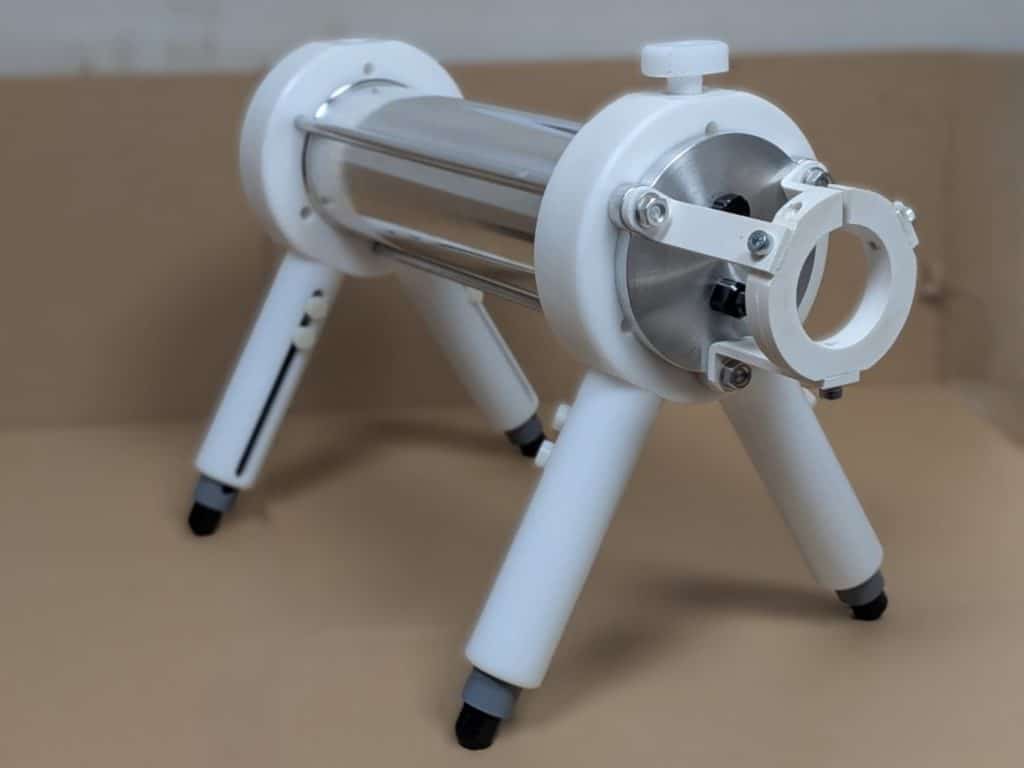
For operations at depth, the Project REDS deep-water housing enables charges to be successfully fired, even under considerable pressure.
In Development: Wireless Initiation
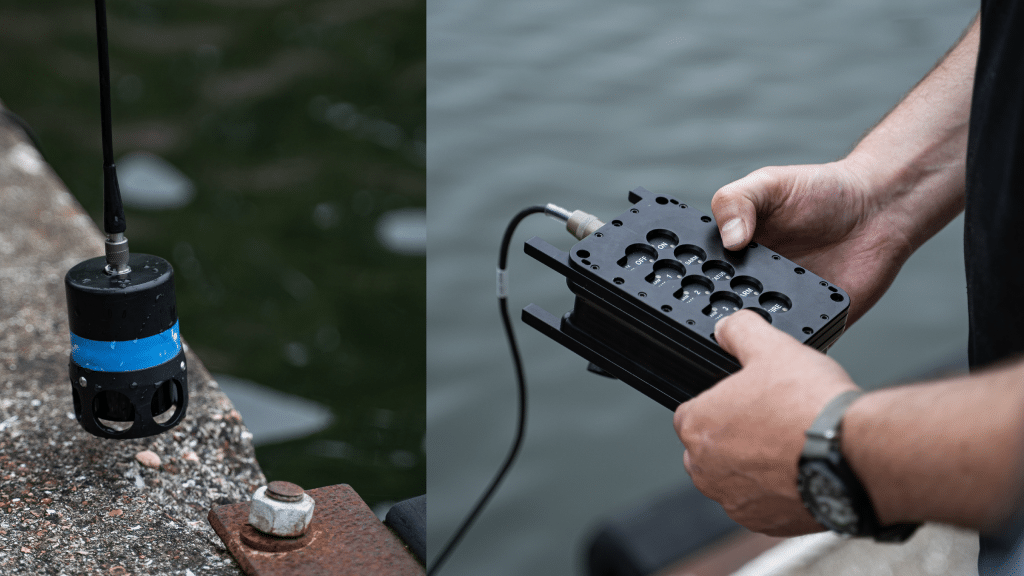
We are developing an acoustic initiation device, a through-water fire set, so operators can arm and fire charges securely from stand-off without a firing cable.
Combined with Project REDS delivery and Alford charge systems, it completes an end-to-end clearance capability for MCM, EOD and demolition operations: search, position, retire and initiate, with no diver on the contact and no cable in the water
Project REDS Videos
REDS II
Buoyant Mine Attachment (BMA)
Discuss your requirement
Tell us your platform, your threat set and your operating depth. Our technical team will come back with a configuration